

Romeo Toyota of Glens Falls

Blog

All 2026 Toyota Tundra vs 2026 Toyota Tacoma News

Mike Fountain's Road-Trip Apple Pie (Highlander Approved)

Mike Fountain, General Manager of Romeo Toyota of Glens Falls, shares his Thanksgiving go-to. Every family has the person who's "in charge of dessert," and at the Fountain house, that's Mike. His pick is a classic double-crust apple pie, and he'll tell you the reason is half taste, half logistics. "Apple pie is the perfect Thanksgiving traveler," Mike says. "It doesn't need to stay cold, nothing sloshes around, and it holds up through an hour of holiday traffic. Fold down the third row in the Highlander, set the pie on a towel in a sheet pan on that flat floor, and it shows up looking just like it did when it came out of the oven. Plus there's still room for the folding chairs and the leftovers on the way home." Ingredients 2 refrigerated pie crusts (or your favorite homemade dough) 6–7 medium apples (a mix of Granny Smith and Honeycrisp), peeled and thinly sliced ¾ cup sugar 2 tbsp all-purpose flour 1 tsp cinnamon ¼ tsp nutmeg Pinch of salt 1 tbsp lemon juice 2 tbsp butter, cut into small pieces 1 egg, beaten Directions Heat the oven to 425°F. Press one crust into a 9-inch pie plate. Toss the apples with the sugar, flour, cinnamon, nutmeg, salt and lemon juice. Pile them into the crust (they'll cook down) and dot with butter. Lay the second crust on top, crimp the edges and cut a few slits for steam. Brush with egg. Bake 15 minutes, then drop to 375°F and bake another 35–45 minutes, until the crust is golden and the filling bubbles. Tent the edges with foil if they brown too fast. Cool at least 3 hours before slicing (or before the drive) so the filling sets. Mike's tip: Bake it the day before. A fully cooled pie travels better and slices cleaner. Happy Thanksgiving from all of us at Romeo Toyota of Glens Falls! Stop by and ask Mike about the cargo space. He'll show you exactly where the pie goes.
Read More
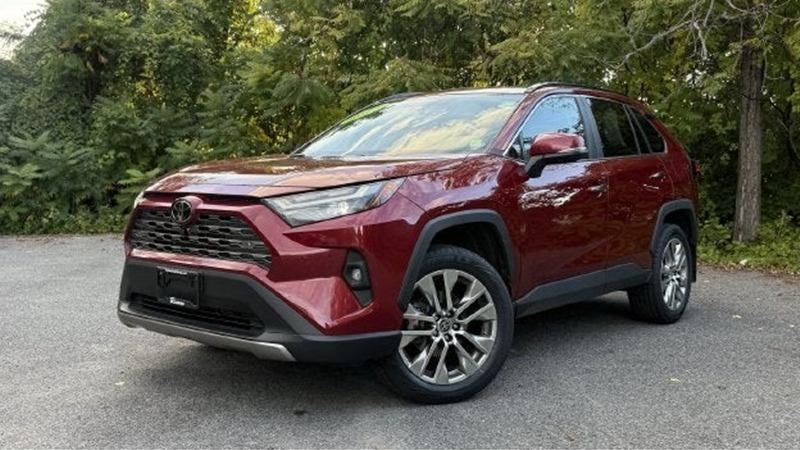
Toyota Certified Used Vehicles, Gold Certified, Silver Certified, Used Toyota, Queensbury NY Image alt text: Red 2023 Toyota RAV4 Limited listed as Gold Certified in Romeo Toyota’s pre-owned inventory.

What Does Toyota Certified Used Vehicle (TCUV) Mean?

A Toyota Certified Used Vehicle, often shortened to TCUV, is a pre-owned Toyota that meets Toyota’s certification requirements. The program combines a qualifying inspection and vehicle-history review with Toyota-backed limited warranty coverage and roadside assistance. Toyota offers Gold Certified and Silver Certified vehicles. Their eligibility requirements and coverage differ, so knowing which certification a vehicle carries is an important part of comparing your options. At Romeo Toyota Certified in Queensbury, we can help you review those details before choosing your next vehicle. What makes a used Toyota certified? Certification applies to an individual vehicle. A Toyota does not become factory certified simply because it is sold at a Toyota dealership or a store with “Certified” in its name. A qualifying vehicle must meet Toyota’s program requirements and pass its inspection and history-review process. When shopping, look for the vehicle’s Gold or Silver designation and ask to review its certification documents. What is the difference between Gold and Silver Certified? Gold Certified is available for qualifying Toyotas up to six years old with 85,000 miles or less. Silver Certified extends the program to qualifying vehicles up to ten model years old with 125,000 miles or less. Toyota excludes vehicles six model years old or newer with 60,000 miles or less from Silver eligibility. Age and mileage alone do not guarantee certification. Inspection results, vehicle history and other program requirements also apply. Gold includes broader warranty benefits. Silver provides a shorter powertrain warranty and roadside-assistance term, giving shoppers another certified option to consider. What warranty coverage is included? Gold Certified includes: A 12-month/12,000-mile Limited Comprehensive Warranty. A Limited Powertrain Warranty ending seven years after certified purchase or when the odometer reaches 100,000 total vehicle miles, whichever comes first. Silver Certified includes: A 12-month/12,000-mile Limited Powertrain Warranty from certified purchase, whichever comes first. No Gold-style Limited Comprehensive Warranty under the Silver program. The distinction between total mileage and additional mileage matters. For example, a Gold Certified Toyota purchased with 60,000 miles has 40,000 miles remaining before reaching the powertrain warranty’s mileage limit, subject to the time limit and coverage terms. These are limited warranties with covered components, exclusions and owner responsibilities. Review the applicable warranty supplement and the vehicle’s recorded expiration dates before purchasing. What does the inspection cover? Toyota requires a multi-point Quality Assurance Inspection that addresses mechanical condition, appearance and detailing standards. Technicians inspect relevant systems and complete necessary repairs or reconditioning before a vehicle qualifies. Ask to see the completed checklist for the Toyota you are considering. For North Country driving, it is also useful to discuss tire condition, brakes, battery condition and maintenance history. Certification does not eliminate the need for future maintenance. Is a CARFAX report included? Yes. Toyota Certified Used Vehicles include a CARFAX Vehicle History Report. Review the report alongside the inspection checklist. It can show reported ownership, service, title and accident information, but it is not a complete record of every event in a vehicle’s life. Ask about any entry you do not understand before making your decision. Do certified Toyotas include roadside assistance? Yes. Both certification levels include roadside assistance, with different coverage periods. Toyota lists a seven-year/100,000-mile term for Gold and a 12-month/12,000-mile term for Silver, subject to program conditions. Covered services can include towing, jump starts, lockout assistance and flat-tire assistance. Service limits and exclusions apply. Have our team identify the exact expiration date and mileage limit in your vehicle’s documents, and keep the assistance information accessible. What about certified Toyota hybrids? A certified hybrid may have remaining original hybrid-related warranty coverage as well as its applicable certified coverage. Hybrid components and the hybrid battery can have different coverage periods. Those original warranty clocks do not restart when the vehicle is sold used. Ask for a VIN-specific explanation of what remains, including the original in-service date, mileage limits and applicable warranty guide. How is certification different from an ordinary used vehicle? Toyota certification adds defined manufacturer program requirements and benefits. An ordinary used vehicle may also have remaining factory coverage, dealer-provided coverage or other protections. It should not automatically be described as having no warranty. Compare the actual documents for each vehicle: inspection records, history report, included coverage, exclusions and price. That makes the difference easier to evaluate than relying on a “certified” label alone. What should you ask before buying? Bring these questions to your visit: Is this vehicle Gold or Silver Certified? Can I review its inspection checklist and history report? When does each warranty end by date and mileage? Is any original factory or hybrid coverage still active? What roadside services are included? What maintenance is coming due? Our team can walk through the answers with you and help you compare vehicles around your driving needs. Shop with Romeo Toyota Certified in Queensbury Visit Romeo Toyota Certified at 674 Quaker Road, Queensbury, NY 12804, or call 518-793-7997. Browse Toyota Certified inventory, explore your trade-in value or review financing options. Contact us before traveling to confirm the vehicle’s certification level, availability and physical location. Frequently Asked Questions What does TCUV stand for? TCUV stands for Toyota Certified Used Vehicle, Toyota’s manufacturer-backed certified pre-owned program. Does every used Toyota qualify? No. Each vehicle must meet the applicable eligibility, inspection and history requirements. Does Gold coverage provide another 100,000 miles? No. Gold’s Limited Powertrain Warranty has a 100,000-total-vehicle-mile limit, along with its time limit. It does not add 100,000 miles to the odometer reading at purchase. Does Silver include the same warranty as Gold? No. Silver includes a shorter Limited Powertrain Warranty and does not include Gold’s Limited Comprehensive Warranty. Where can I shop near Glens Falls? Contact Romeo Toyota Certified at 674 Quaker Road in Queensbury. Call 518-793-7997 to confirm the location and availability of a specific vehicle.

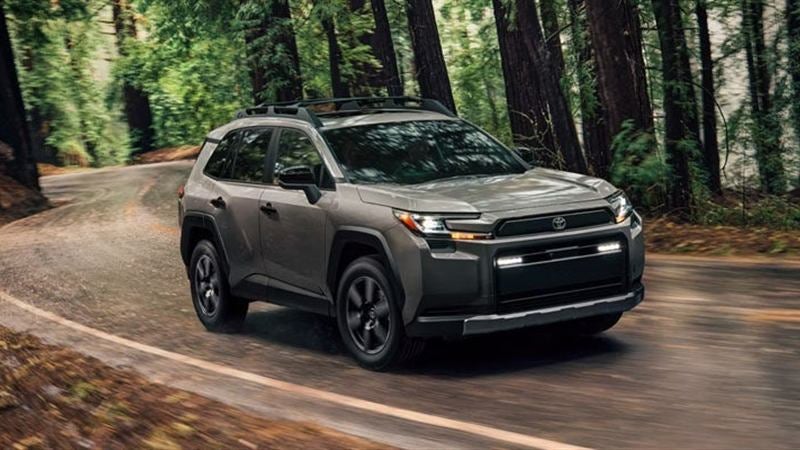
Toyota-supplied image of a 2026 RAV4 driving along a winding road through a forest.

The All-New 2026 Toyota RAV4: What Glens Falls Drivers Should Know

The 2026 Toyota RAV4 is fully redesigned, and every version now uses an electrified powertrain. You can choose a RAV4 Hybrid or RAV4 Plug-in Hybrid. There is no gas-only 2026 RAV4. That gives drivers around Glens Falls, Queensbury and Lake George two different ways to approach everyday driving: a hybrid that needs no external charging, or a plug-in hybrid that can cover some trips on electricity before using its gasoline engine. Here’s what to know before choosing your next RAV4 at Romeo Toyota of Glens Falls. Is the 2026 RAV4 available only as a hybrid? Yes. The sixth-generation RAV4 lineup consists of Hybrid and Plug-in Hybrid models. Both combine a gasoline engine with electric power, but they use different battery and charging arrangements. The RAV4 Hybrid charges its battery through its engine and regenerative braking. You fill it with gasoline and do not plug it in. The RAV4 Plug-in Hybrid has a larger battery that you can recharge externally. It supports electric driving and can continue operating as a hybrid when its usable electric driving charge is depleted. How much power does the RAV4 Hybrid have? The 2026 RAV4 Hybrid produces 226 net combined horsepower with front-wheel drive or 236 net combined horsepower with all-wheel drive, depending on configuration. Those are combined system ratings, accounting for the hybrid powertrain rather than the gasoline engine alone. When comparing models, check drivetrain and equipment alongside the trim name. Front-wheel drive and AWD availability varies across the lineup. For a commute along the Northway or regular errands between Queensbury and Glens Falls, take a test drive that reflects your usual mix of highway and local roads. What does the RAV4 Plug-in Hybrid offer? The 2026 RAV4 Plug-in Hybrid produces 324 net combined horsepower and includes all-wheel drive. Toyota lists an EPA-estimated 54-mile all-electric range for the SE grade. Other grades have different ratings, so compare the specific model you are considering. That figure is an estimate, not a promise for every trip. Temperature, speed, heating use, terrain and other conditions affect electric range. If you can charge regularly and your daily mileage fits within the vehicle’s usable electric range, the plug-in may let you complete many local trips with less gasoline use. The gasoline engine remains available for longer journeys. Do you need home charging? The regular RAV4 Hybrid needs no external charging. For the Plug-in Hybrid, reliable charging access helps you make better use of its electric driving capability. Home charging can be convenient, but charging speed depends on the equipment, electrical supply, battery temperature and starting charge level. A compatible household outlet provides slower charging. Suitable Level 2 equipment can recharge faster, subject to the vehicle’s charging capability. Have a qualified electrician assess your installation needs. If you rent or share parking, confirm permission and dependable charging access before choosing a plug-in. You can still use gasoline, but regular charging is what makes its electric driving capability useful. How does the new RAV4 fit North Country winters? AWD-equipped RAV4 models are worth considering for changing conditions around Glens Falls, Hudson Falls and Lake George. The Hybrid offers available AWD, while the Plug-in Hybrid includes it. AWD can help with traction when accelerating, but it does not replace appropriate tires or careful driving. Snow, ice, hills and stopping distance still require attention. Cold weather can also reduce the Plug-in Hybrid’s electric range. Allow extra range for winter errands and longer trips, and follow Toyota’s guidance for charging and climate settings. Choose based on your actual roads and tire setup rather than assuming every RAV4 configuration will perform identically. What changed inside? The redesign brings updated cabin styling, digital displays and Toyota Audio Multimedia technology. Available equipment varies by grade, including screen size, seating materials, audio systems and convenience features. Toyota Safety Sense driver-assistance technology is also included across the lineup. During your visit, try the controls you will use daily. Pair your compatible phone, adjust the driving position and check rear-seat comfort. Driver-assistance features have limitations and do not replace attentive driving. If you carry a stroller, dog crate or sports equipment, bring it along to check the cargo area. Does the 2026 RAV4 include ToyotaCare? Yes. New 2026 Toyota vehicles include ToyotaCare normal factory-scheduled maintenance for two years or 25,000 miles, whichever comes first. Covered services follow the vehicle’s maintenance guide. ToyotaCare is separate from the vehicle’s repair warranty, and exclusions and limitations apply. Visit our ToyotaCare information page or ask our service team to explain the coverage for your vehicle. Hybrid or Plug-in Hybrid: which should you choose? Explore the RAV4 Hybrid if you: Want an electrified powertrain without plugging in. Prefer to keep your gasoline-refueling routine. Do not have dependable charging where you park. Want to compare front-wheel-drive and AWD configurations. Explore the RAV4 Plug-in Hybrid if you: Can charge conveniently at home or another regular destination. Want electric driving capability for local trips. Prefer standard AWD and the plug-in’s higher combined power output. Are comfortable including charging in your routine. Compare purchase costs, equipment, energy costs and your expected mileage. The right choice depends on how you will use the vehicle. Explore the new RAV4 at Romeo Toyota of Glens Falls Visit Romeo Toyota of Glens Falls at 169 Broad St. or call 518-793-5611. Browse RAV4 inventory, explore the RAV4 Plug-in Hybrid, review current Toyota specials or learn about financing options. Contact our team before visiting to confirm the powertrain, trim and equipment you want to see. Frequently Asked Questions Is there a gas-only 2026 RAV4? No. The 2026 RAV4 is offered as a Hybrid or Plug-in Hybrid. Do I need to plug in the regular RAV4 Hybrid? No. Its battery charges through the engine and regenerative braking. How much horsepower does the 2026 RAV4 have? Hybrid models produce 226 net combined horsepower with FWD or 236 with AWD. The Plug-in Hybrid produces 324 net combined horsepower. How far can the Plug-in Hybrid drive on electricity? Toyota lists an EPA-estimated 54-mile all-electric range for the 2026 SE grade. Ratings vary by grade, and actual range depends on driving conditions. Where can I compare RAV4 models near Queensbury? Visit Romeo Toyota of Glens Falls at 169 Broad St. Call 518-793-5611 to confirm availability and arrange a visit.

Romeo Auto Outlet rebrand announcement featuring the Romeo Toyota Certified logo and Queensbury address.

Romeo Auto Outlet Is Now Romeo Toyota Certified

Looking for Romeo Auto Outlet? You’re in the right place. We’re now Romeo Toyota Certified at the same Quaker Road location in Queensbury, with a bigger pre-owned selection to explore through the Romeo Toyota website. Whether you’re replacing your daily driver, shopping for a family SUV or looking for a used truck, you can start your search online and contact our team to plan your visit. What changed? Romeo Auto Outlet has combined its inventory with Romeo Toyota. That means you can browse a broader selection of pre-owned vehicles through one website, instead of checking separate sites to see what’s available. Our new name is Romeo Toyota Certified, but you’ll still find us at 674 Quaker Road in Queensbury. Start with our Romeo Toyota Certified page to explore the change and shop available vehicles. More pre-owned choices in one place Every driver has a different wish list. You might need an efficient commuter for trips around Queensbury and Glens Falls, an SUV with room for passengers and weekend gear, or a pickup for work and home projects. Our combined pre-owned inventory lets you compare makes, models and price points in one place. The selection changes as vehicles arrive and sell, so check the current listings for the latest options. Before heading over, contact us to confirm the location and availability of the vehicle you want to see. Thinking about trading in your vehicle? Your current vehicle can be part of your next purchase. Start with our online trade-in tool, then speak with our team about the vehicle you’re considering. We can help you work through your choices, whether you already know what you want or are still comparing a few options. Visit Romeo Toyota Certified in Queensbury You’ll find us at: Romeo Toyota Certified 674 Quaker Road Queensbury, NY 12804 Sales: 518-793-7997 Sales hours: Monday–Thursday: 9:00 AM–7:00 PM Friday–Saturday: 9:00 AM–5:00 PM Sunday: Closed Call before your visit if you have questions about a particular vehicle or where it is located. Need to arrange service? You can access the Romeo Toyota service scheduler online. Confirm the appointment location when booking so you know where to bring your vehicle. If you previously visited Romeo Auto Outlet or Carriage Traders and need help finding the right department, call our Queensbury sales team for assistance. Frequently Asked Questions What happened to Romeo Auto Outlet? Romeo Auto Outlet is now Romeo Toyota Certified. Its inventory has been combined with Romeo Toyota’s selection and can be browsed through the Romeo Toyota website. Is Romeo Toyota Certified at the same location? Yes. The rebranded store is at 674 Quaker Road in Queensbury, NY 12804. Where can I browse the pre-owned inventory? Visit the Romeo Toyota Certified page or browse all pre-owned vehicles. Contact the team to confirm a vehicle’s location before visiting. How do I contact Romeo Toyota Certified? Call 518-793-7997 to reach the Queensbury sales team. Find your next vehicle A new name makes it easier to find our combined pre-owned selection. Shop Romeo Toyota Certified online, explore your trade-in options and call us to arrange a closer look at the vehicles on your list.

America’s 250th Anniversary: Celebrating 250 Years of Freedom, Innovation & the American Drive

America’s 250th Anniversary: Celebrating 250 Years of Freedom, Innovation & the American Drive

A Once-in-a-Generation Celebration of America—and the Vehicles That Helped Move Us Forward In 2026, the United States will celebrate America’s 250th anniversary, also known as the Semiquincentennial. This historic milestone marks 250 years since the signing of the Declaration of Independence in 1776. Across the country, communities, families, businesses, schools, and local organizations will come together to celebrate American history, reflect on how far we’ve come, and look ahead to the future. For those of us in the automotive world, America’s 250th anniversary is also a perfect time to look at something that has been central to American life for generations: the automobile. From horse-drawn wagons and dirt roads to gas-powered engines, family SUVs, electric vehicles, advanced safety systems, and high-tech driver assistance features, the American driving experience has changed dramatically. Cars have helped families travel farther, businesses grow faster, communities connect more easily, and generations of drivers experience freedom on the open road. As we celebrate 250 years of America, we’re also celebrating 250 years of movement, progress, invention, and the drive to keep going. From Horse and Buggy to Horsepower Before cars filled driveways and highways, most Americans relied on horses, wagons, carriages, walking, trains, and eventually bicycles to get around. Daily travel was slower, more difficult, and often limited by weather, terrain, and distance. Then came the rise of the automobile. The early gas-powered vehicle changed everything. It gave people more independence, made travel more personal, and helped shape the modern American lifestyle. Suddenly, families could visit relatives in other towns, workers could commute farther, and small communities became more connected to larger cities and markets. The automobile did more than move people. It changed America. Highlights in the Evolution of the Automobile Here are just a few major ways vehicles have progressed over the years: Horse-drawn transportation: Before the automobile, horses and wagons were the everyday standard for many families and businesses. Gas-powered engines: Internal combustion engines gave drivers more speed, distance, and independence. Mass production: Assembly-line manufacturing helped make cars more affordable for everyday Americans. Electric starters: Early drivers once had to hand-crank engines. Electric starters made vehicles easier and safer to operate. Closed cabins and heat: Cars became more comfortable and practical in all kinds of weather. Automatic transmissions: Driving became easier and more accessible for millions of people. Power steering and power brakes: Larger vehicles became easier to handle. Air conditioning: Road trips became much more comfortable, especially during the summer. Seat belts, airbags, and crash testing: Safety became one of the biggest priorities in automotive design. SUVs, trucks, and family vehicles: Cars evolved to fit work, family, recreation, towing, travel, and everyday life. Hybrid and electric vehicles: Today’s vehicles are becoming more efficient, more advanced, and more connected. Driver assistance technology: Features like backup cameras, blind spot monitoring, lane keeping assist, adaptive cruise control, and automatic emergency braking are changing the way we drive. Cool Car Features That Changed the Way Americans Drive Over the decades, certain vehicle features became turning points in automotive history. Some were created for convenience. Others were designed for comfort, safety, or performance. Today, many features we take for granted were once major innovations. The Electric Starter Early vehicles often required a hand crank to start the engine. That could be difficult and even dangerous. The electric starter helped make cars more practical for everyday drivers and opened the door for wider vehicle ownership. The Automatic Transmission Manual shifting was once the standard. The automatic transmission made driving easier, especially in traffic and city driving. It also helped make vehicles more approachable for a wider range of drivers. Automotive Air Conditioning Today, we barely think twice about turning on the A/C. But when air conditioning first appeared in vehicles, it was a luxury. Over time, it became one of the most appreciated comfort features, especially for family road trips and summer driving. Seat Belts and Airbags Vehicle safety has come a long way. Seat belts, airbags, crumple zones, crash testing, and stronger vehicle structures have helped protect drivers and passengers for generations. Backup Cameras Backup cameras are now common in modern vehicles and have become an important safety feature. They help drivers see behind the vehicle, making parking, backing up, and navigating tight spaces easier. Touchscreens and Connected Technology Modern vehicles now offer features that once sounded futuristic: touchscreen displays, smartphone integration, navigation, voice commands, wireless charging, remote start apps, and over-the-air updates. Hybrid and Electric Vehicles The latest chapter in automotive history includes hybrid, plug-in hybrid, and electric vehicles. These vehicles continue the story of innovation, giving drivers new ways to think about efficiency, performance, and the future of transportation. America’s Love Affair with the Open Road Few things feel more American than a road trip. For generations, cars have been part of some of life’s biggest moments: Bringing a new baby home from the hospital Taking family vacations Driving to a first job Heading off to college Buying a first car Towing a camper, boat, or trailer Taking the scenic route just because Visiting grandparents, friends, and favorite hometown places Driving in parades, community events, and holiday celebrations As America celebrates 250 years, vehicles remain deeply connected to our memories, our milestones, and our sense of freedom. The Road Ahead: What Will the Next 250 Years Bring? As we look toward America’s future, the automobile will continue to evolve. Vehicles are already becoming safer, smarter, more efficient, and more personalized. The next generation of cars may bring even more advanced electric technology, improved battery range, expanded charging networks, enhanced driver assistance systems, and new ways for drivers to stay connected. But one thing will remain the same: people will still need vehicles that fit their lives. Whether it’s a reliable sedan, a rugged truck, a family-friendly SUV, a hardworking commercial vehicle, a sporty performance model, or an electric vehicle built for the future, the automobile will continue to play a major role in how Americans live, work, travel, and connect. Celebrating America’s 250th Anniversary Locally America’s 250th anniversary is not just a national celebration. It is also a local one. Communities across the country will celebrate with parades, festivals, fireworks, historic events, service projects, and hometown gatherings. For local dealerships, this milestone is a wonderful opportunity to celebrate: American history Community pride Local families Road trip memories Automotive innovation The freedom of the open road The future of driving As we celebrate America’s 250th anniversary, we also celebrate the generations of drivers, workers, families, technicians, sales professionals, manufacturers, and innovators who helped move this country forward. From horse and buggy to horsepower, from hand cranks to push-button start, from paper maps to built-in navigation, and from gas engines to electric vehicles, the story of the automobile is part of the American story. And the road ahead is just getting started. Top Questions About America’s 250th Anniversary 1. What exactly is America’s 250th anniversary? America’s 250th anniversary marks 250 years since the signing of the Declaration of Independence in 1776. The milestone will be celebrated in 2026 and is often called the Semiquincentennial. 2. When is America’s 250th anniversary? The main anniversary date is July 4, 2026. Many events and celebrations will take place throughout 2026, leading up to Independence Day. 3. Why is America’s 250th anniversary important? It is a once-in-a-generation milestone that gives Americans an opportunity to celebrate the country’s history, reflect on the past, honor local communities, and look ahead to the future. 4. What kinds of events will happen for America’s 250th anniversary? Events may include parades, fireworks, festivals, community gatherings, historical exhibits, service projects, concerts, school programs, and local celebrations. Many activities will be community-led, meaning towns, businesses, schools, and organizations can create their own ways to participate. 5. How is America’s 250th anniversary connected to automotive history? The automobile has played a major role in American life. Cars helped families travel farther, businesses expand, communities connect, and people experience more freedom and mobility. Looking back at automotive history is a fun and meaningful way to celebrate American innovation. 6. What are some of the biggest milestones in car history? Some major automotive milestones include the rise of gas-powered engines, the introduction of mass production, electric starters, automatic transmissions, air conditioning, seat belts, airbags, backup cameras, hybrid vehicles, electric vehicles, and advanced driver assistance technology. 7. How can local businesses participate in America’s 250th anniversary? Local businesses can participate by supporting community events, sponsoring parades or festivals, creating patriotic promotions, highlighting local history, sharing customer stories, volunteering, or partnering with local nonprofits and civic organizations. 8. What does America’s 250th anniversary mean for local communities? For local communities, America’s 250th anniversary is a chance to celebrate hometown pride, honor local history, bring people together, and create memorable events for families, neighbors, and businesses. 9. How will the 250th anniversary be different from the 1976 Bicentennial? The 250th anniversary will likely include more digital engagement, broader local participation, and a greater focus on telling stories from communities across the country. While the 1976 Bicentennial was a major national celebration, the 2026 anniversary is expected to include many local and grassroots events. 10. What is a fun way to celebrate America’s 250th anniversary? A fun way to celebrate is to take a classic American road trip, attend a local parade, visit a historic site, support a community event, volunteer locally, or learn more about the history of American transportation and innovation. Final Thought America’s 250th anniversary is a celebration of history, freedom, community, and progress. For 250 years, America has continued to move forward—and for more than a century, the automobile has helped drive that story. From the earliest roads to today’s modern highways, from the first engines to the latest electric vehicles, the American journey has always been about possibility. Here’s to 250 years of America—and to the road ahead. A few key facts used here were checked against official and automotive-history sources: America250 states that July 4, 2026 commemorates the 250th anniversary of the signing of the Declaration of Independence; the U.S. DOT/NHTSA rule required rear visibility technology on vehicles under 10,000 pounds manufactured on or after May 1, 2018; Cadillac introduced the electric self-starter in 1912; Packard introduced automotive air conditioning in 1939/1940; and Oldsmobile’s Hydra-Matic became a major early automatic transmission milestone around the 1940 model year. ( america250.org)

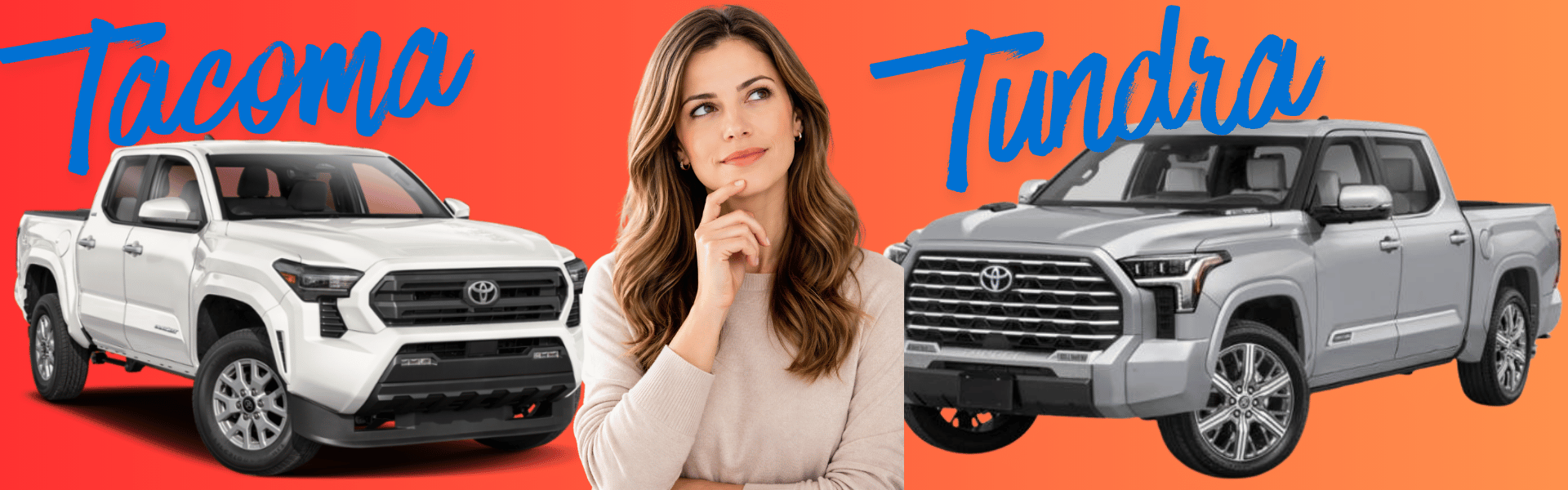
2026 Toyota Tundra vs 2026 Toyota Tacoma: Which Truck Belongs in Your Driveway?

2026 Toyota Tundra vs 2026 Toyota Tacoma: Which Truck Belongs in Your Driveway?

Shopping for a new Toyota truck usually comes down to one big question: Do you want full-size strength or mid-size agility? The 2026 Toyota Tundra and 2026 Toyota Tacoma are both built for hardworking days and fun weekends—but they shine in different ways. Below is a detailed, friendly guide to the features, benefits, and the kinds of drivers who love each truck. 2026 Toyota Tundra: Full-Size Power, Big-Tow Confidence, Premium Comfort If your life includes bigger trailers, bigger projects, bigger family road trips, the 2026 Tundra is Toyota’s full-size pickup designed to handle the heavy lifting—without feeling like a “work-only” truck. Key Tundra features that matter (and why you’ll love them) 1) Strong towing capability for real-world hauling The 2026 Tundra can tow up to 12,000 lbs when properly equipped (gas configuration), making it a solid option for boats, campers, utility trailers, and equipment. 2) i-FORCE and i-FORCE MAX power for confident passing + pulling Tundra offers the i-FORCE V6 and the available i-FORCE MAX hybrid. The i-FORCE MAX system is rated at 437 hp and 583 lb-ft of torque, built to feel strong launching from a stop and pulling through hills. 3) Big-screen tech and trailering assistance Toyota highlights available features like a 14-inch touchscreen, 12.3-inch digital gauge cluster, and trailering aids such as Trailer Backup Guide with Straight Path Assist —useful whether you tow every weekend or just a few times a year. 4) Premium trims for drivers who want “truck + luxury” If you want a truck that feels upscale daily, Tundra’s higher grades lean into comfort and premium materials (especially Capstone-style builds with high-end seating and convenience features). Who typically prefers the 2026 Tundra (and why) Choose Tundra if you: Tow heavier loads more often (campers, boats, equipment trailers) Want a full-size cabin feel and a more “big truck” ride presence Like premium options and road-trip comfort with a truck bed Need a do-it-all vehicle for work, family, and Upstate NY weekends 2026 Toyota Tacoma: Mid-Size Versatility, Trail-Ready Options, Everyday Ease The 2026 Tacoma is ideal if you want a truck that’s easier to live with every day—while still being extremely capable for snowy commutes, trail weekends, and home projects. Key Tacoma features that matter (and why you’ll love them) 1) Smart, driver-focused tech Tacoma offers an available 12.3-inch digital gauge cluster, designed to surface key information like navigation, audio, towing functions, and off-road features. 2) Serious off-road trims with purpose-built hardware Toyota’s Trailhunter line is built for adventure focus, and Toyota highlights its i-FORCE MAX 2.4L turbo hybrid, plus off-road hardware like Old Man Emu shocks (on Trailhunter). 3) Hybrid strength where it counts For shoppers looking at high-end capability, the Tacoma TRD Pro is positioned as a flagship off-road build with the i-FORCE MAX hybrid rated at 326 hp and 465 lb-ft of torque. 4) Towing that fits the mid-size mission If you tow smaller trailers (light campers, small boats, utility trailers), Tacoma does the job—especially if you’re balancing towing with daily drivability. Some sources note the hybrid’s towing is commonly listed around 6,000 lbs. Who typically prefers the 2026 Tacoma (and why) Choose Tacoma if you: Want a truck that’s easier to park and maneuver day-to-day Spend weekends hiking, biking, skiing, or exploring back roads Want legit off-road trims like TRD Pro or Trailhunter Need a pickup for projects + lifestyle without stepping up to full-size Quick Comparison: 2026 Tundra vs 2026 Tacoma Choose the Tundra if you prioritize: Maximum towing and “big truck” stability (up to 12,000 lbs equipped) Available hybrid torque ( 583 lb-ft) for pulling power Full-size cabin and premium trim comfort Choose the Tacoma if you prioritize: Mid-size agility + everyday practicality Off-road-focused trims like Trailhunter and TRD Pro Hybrid off-road performance (TRD Pro: 326 hp / 465 lb-ft) Local shopping tip for Romeo Toyota drivers In Upstate NY, many truck buyers choose based on real life needs: winter traction confidence, weekend trail access, towing, and daily comfort. If you’re frequently hauling bigger loads, the Tundra tends to be the easy yes. If you want a truck that feels nimble, adventure-ready, and still useful for projects, the Tacoma is a favorite. FAQs: 2026 Toyota Tundra and 2026 Toyota Tacoma Is the 2026 Tundra hybrid good for towing? Yes—i-FORCE MAX brings strong torque ( 583 lb-ft) and towing can reach 11,450 lbs in certain configurations. Does the 2026 Tacoma come in an off-road-focused version? Yes—Toyota promotes dedicated off-road trims, including Trailhunter and TRD Pro-style builds with specialized hardware.

Contact Us

Fill out this form below and we'll contact you shortly
*Required Fields